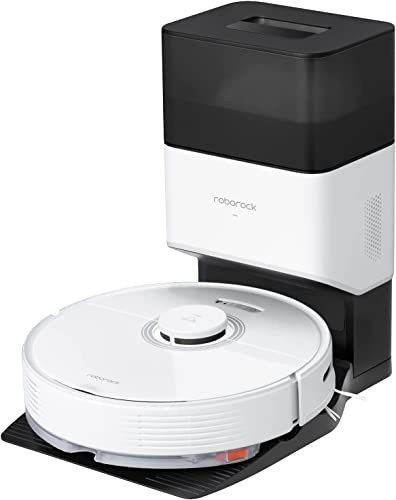
The Rise of Self-Cleaning Vacuums: Revolutionizing Household Maintenance
In an era where convenience and efficiency reign supreme, family devices have evolved to meet the demands of hectic lifestyles. One of the current innovations in the world of home cleaning is the self-cleaning vacuum. These sophisticated gadgets are created not just to tidy floors but likewise to maintain themselves with minimal human intervention. This article looks into the operations, benefits, potential disadvantages, and future of self-cleaning vacuums.
Understanding Self-Cleaning Vacuums
Self-cleaning vacuums represent a substantial leap from traditional vacuum. They are equipped with smart technologies that allow them to perform upkeep tasks immediately. This includes tasks such as clearing the dustbin, cleaning the brush rolls, and even charging themselves. These functions are created to decrease the time users invest in maintenance, permitting a more seamless cleaning experience.
Secret Features of Self-Cleaning Vacuums
| Function | Description |
|---|---|
| Self-Emptying Dustbin | Instantly disposes of gathered dirt and debris into a bigger bin. |
| Brush Roll Cleaning | Utilizes brushes that get rid of tangled hair and debris to optimize performance. |
| Smart Navigation | Utilizes sensing units and video cameras for effective cleaning paths and obstacle avoidance. |
| App Integration | Allows users to control the vacuum from another location and receive maintenance alerts. |
| Self-Charging | Returns to a docking station to charge when the battery is low. |
The Advantages of Self-Cleaning Vacuums
The advantages of incorporating a self-cleaning vacuum into a home cleaning regimen are many:
- Convenience: Self-cleaning vacuums considerably minimize the manual work related to traditional vacuuming. Users no longer need to stop to empty dustbins after every cleaning session.
- Time-Saving: By automating cleaning and upkeep jobs, users can allocate their time to other essential activities.
- Consistency in Cleaning: With innovative navigation technologies, self-cleaning vacuums can preserve a regular cleaning schedule, guaranteeing floors are consistently tidy.
- Enhanced Indoor Air Quality: Many self-cleaning vacuums come with innovative purification systems that trap allergens and contaminants, adding to much better indoor air quality.
- Low Maintenance: These vacuums require less frequent attention regarding upkeep, as a number of their maintenance jobs occur instantly.
Drawing Up the Pros and Cons
| Pros | Cons |
|---|---|
| Convenience and ease of use | Higher initial cost |
| Consistent cleaning results | May require software updates |
| Advanced filtering alternatives | Reliance on technology |
| Less manual maintenance | Restricted to home cleaning tasks |
Possible Drawbacks of Self-Cleaning Vacuums
Despite their advantages, self-cleaning vacuums are not without their difficulties:
- Cost: The initial investment for a self-cleaning vacuum can be significantly greater than traditional models.
- Reliability: Like any smart innovation, these vacuums depend upon software updates and battery effectiveness. Users may experience problems if the vacuum malfunctions.
- Minimal Cleaning Capacity: While self-cleaning vacuums stand out on tough floorings and low-pile carpets, they may struggle on thicker carpets or rugs.
- Complex Repairs: Issues arising from sophisticated technology might cause complicated repairs or even necessitate professional support.
Selecting the Right Self-Cleaning Vacuum
When thinking about a self-cleaning vacuum, it is vital to examine various functions and performances to determine the very best fit for your family requires. Here are some factors to consider:
- Floor Types: Identify the types of floors in your house. Some vacuums carry out better on carpets, while others are developed for hard floorings.
- Dustbin Capacity: Check the capacity of the self-emptying dustbin to guarantee it meets your cleaning frequency and volume.
- Battery Life: Consider for how long the vacuum can operate before requiring to charge.
- Smart Features: Look for vacuums with app combination that allows for remote control and customization.
- Upkeep Requirements: Assess how often you will need to change filters, tidy the brushes manually, and perform other upkeep tasks.
Regularly Asked Questions (FAQs)
1. How does a self-cleaning vacuum work?Self-cleaning vacuums are equipped with sensors and smart innovation that enable them to navigate and tidy floorings effectively. They auto-empty dirt and debris into a docking station and often self-clean brush rolls.
2. Are self-cleaning vacuums worth it?While they include a higher cost, numerous users find the convenience and time cost savings validate the cost, especially in busy households.
3. Can self-cleaning vacuums be controlled via mobile phone?Yes, numerous self-cleaning vacuums featured app integration, allowing users to control cleaning schedules, monitor battery life, and get maintenance alerts remotely.
4. How typically do I require to empty the base station?This depends on how frequently the vacuum is utilized and the size of the dustbin. Usually, users may need to clear it every couple of weeks.
5. Do desmondpegoda.top -cleaning vacuums work on carpets?Lots of self-cleaning vacuums perform well on low to mid-pile carpets however may battle with high-pile carpets or thick rugs.
The Future of Self-Cleaning Vacuums
As innovation continues to advance, the future of self-cleaning vacuums looks promising. Innovations might lead to even more efficient cleaning systems efficient in handling diverse floor types, integrating AI for smarter cleaning decisions, and improving general user experience with better connectivity.
Top manufacturers are contending to catch a considerable share of this market by constantly enhancing the style and features of their self-cleaning vacuums. The focus is most likely to stay on improving functionality, affordability, and energy effectiveness, making these devices an integral part of modern family management.
In conclusion, self-cleaning vacuums represent a remarkable advancement in home cleaning innovation. In spite of their couple of disadvantages, the benefits they provide-- convenience, time cost savings, and improved cleaning efficiency-- make them an attractive option for numerous households wanting to simplify their cleaning routines and enhance their living spaces.